
15th September 2026
On the 14th of August 2026, an emergency alert from the government sounded on phones across the nation. The alert urged everyone to avoid any activity that could start a fire, and to report any signs of one immediately to the emergency services.
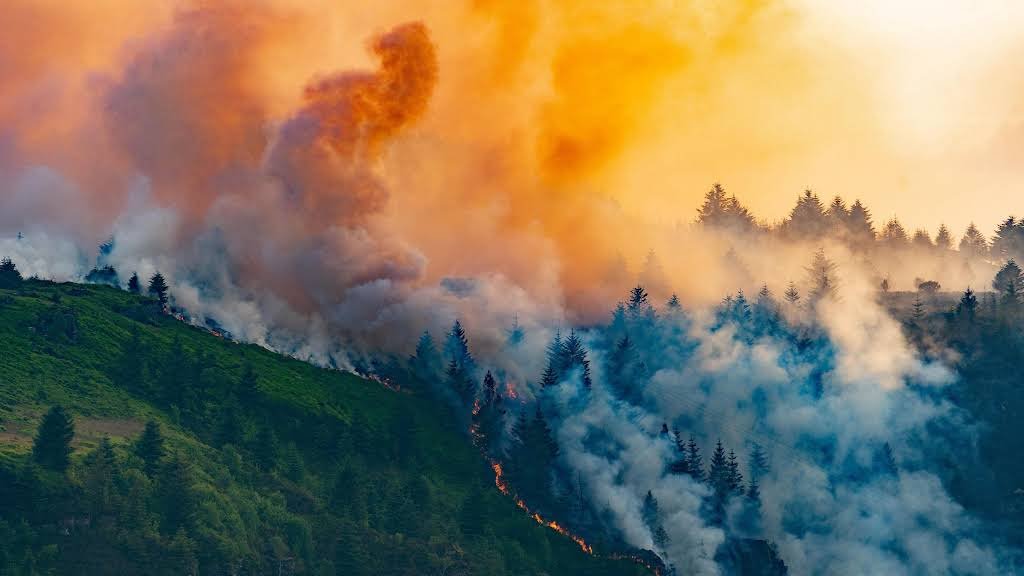
Many raised concerns that the alert had been used inappropriately, a disproportionate reaction to the situation at hand. I’m inclined to disagree. Wildfires destroy lives, habitats, and homes; if that isn’t an emergency, I don’t know what is.
Wildfires need several things to both ignite and sustain themselves, human activity and vegetation (type and condition) both play their part.
The UK is not used to thinking of itself as a wildfire risk, but the conditions that create one are becoming more common here every year.
Leave no trace is a rule that many wildlife enjoyers have respected for years and is exactly what it sounds like: leave nothing behind, change nothing, and make sure your presence has left no mark on the space. This rule ensures that damage is limited whilst simultaneously making it impossible for people to see the consequences of their actions
If the consequences aren’t immediately visible, it’s easy to convince yourself they don’t happen at all. A discarded barbecue or a dropped cigarette feels harmless in the moment precisely because the fire it starts an hour later is somebody else’s problem to watch unfold.
Once a spark catches emergency alerts are only ever the first step. They don’t stop a fire; they simply buy the public time to get out of its way. That distinction matters, because it means the alert system is a form of mitigation, not prevention, and treating it as anything more is where a lot of the public frustration seems to come from.
Prevention must happen long before a phone starts buzzing. Controlled, low intensity burns are one option already used in fire-prone parts of the world, deliberately reducing the amount of burnable material on the ground so that when a fire does start, it has less to feed on.
Firebreaks work on a similar principle; strips of land cleared of vegetation that can stop or slow a fire’s spread before it reaches homes or habitats. Neither is a new idea, but neither seems to be used with much urgency in the UK either.
Then there’s the question of how we communicate risk in the first place. Australia runs a tiered alert system that lets residents know exactly how severe the danger is on a given day, from low risk right through to catastrophic. It’s a system built by a country that has had to learn these lessons the hard way, and it’s worth asking whether the UK could benefit from something similar rather than relying on a single, blunt alert that only fires once the danger is already immediate.
By Lia Moffat